
Plan your commute from the front door of a possible home to the actual school entrance, using the times you expect to travel. A station-to-station estimate leaves out walking, transfers and the time needed to arrive ready for your first lesson.
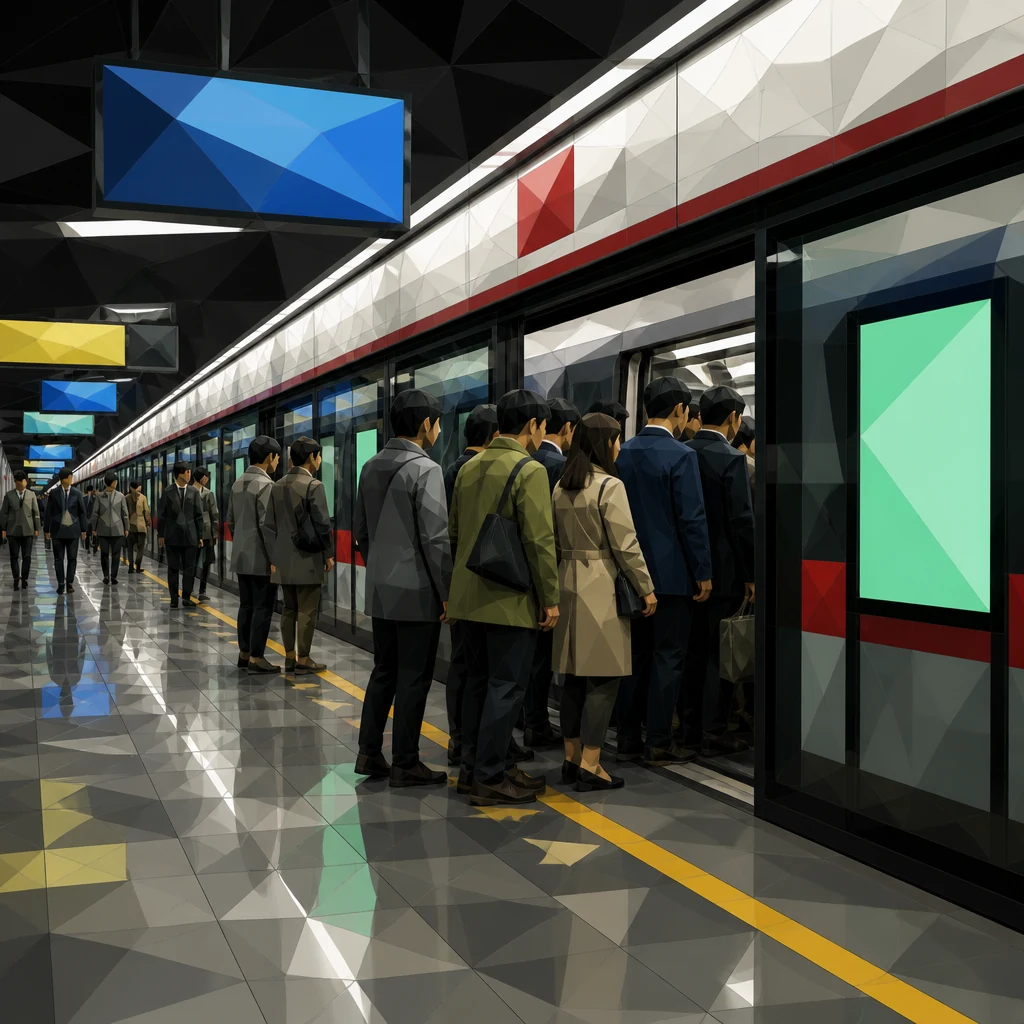
Test the route in both directions
Start with the employer's confirmed address and timetable. Identify the nearest useful stations, then check where their entrances sit in relation to the home and school.
Walk the route if possible. A transfer that looks short on a diagram may add a meaningful amount of walking; an exit on the wrong side of a large road can change the final part of the trip.
For evening work, check the current last-train times for the specific route and direction. Include any transfer you need to make. Do not assume that a train leaving your first station will connect with the final service on another line.
Compare homes using the same journey table
| Part of the trip | Home A | Home B |
|---|---|---|
| Walk to station | Record actual time | Record actual time |
| Waiting and train travel | Check at expected travel time | Check at expected travel time |
| Transfer and final walk | Include both | Include both |
| Return after work | Check services and connection | Check services and connection |
| Backup route | Identify and price it | Identify and price it |
A useful comparison includes reliability and your comfort with the journey, not just the fastest possible time.
As a fictional example, a 15-minute difference each way becomes 150 minutes across five working days. That is two and a half hours a week to weigh against any rent saving.
How can you pay for the metro?
Shanghai's official metro guide lists app-based QR travel, single tickets, stored-value transport cards and eligible contactless bank cards among the options. It also describes buying tickets with international bank cards at station service centres. Check the current metro guide for supported methods and conditions.
Try your chosen method before your first journey to work. Keep a backup available if your phone loses power or an app does not work as expected. Use the same ticket or payment method consistently for entry and exit according to the operator's instructions.
What else should you allow for?
Ask when you are expected to be at the school, not merely when the lesson begins. Add time to prepare yourself and your materials. Test a wet-weather version of the walk and consider how carrying teaching materials changes it.
If you have not yet chosen a home, read the Shanghai rental guide. If the timetable is still unclear, use these working-hours questions before making the housing decision.
The wider moving checklist helps you plan arrival transport separately from your ordinary commute.